

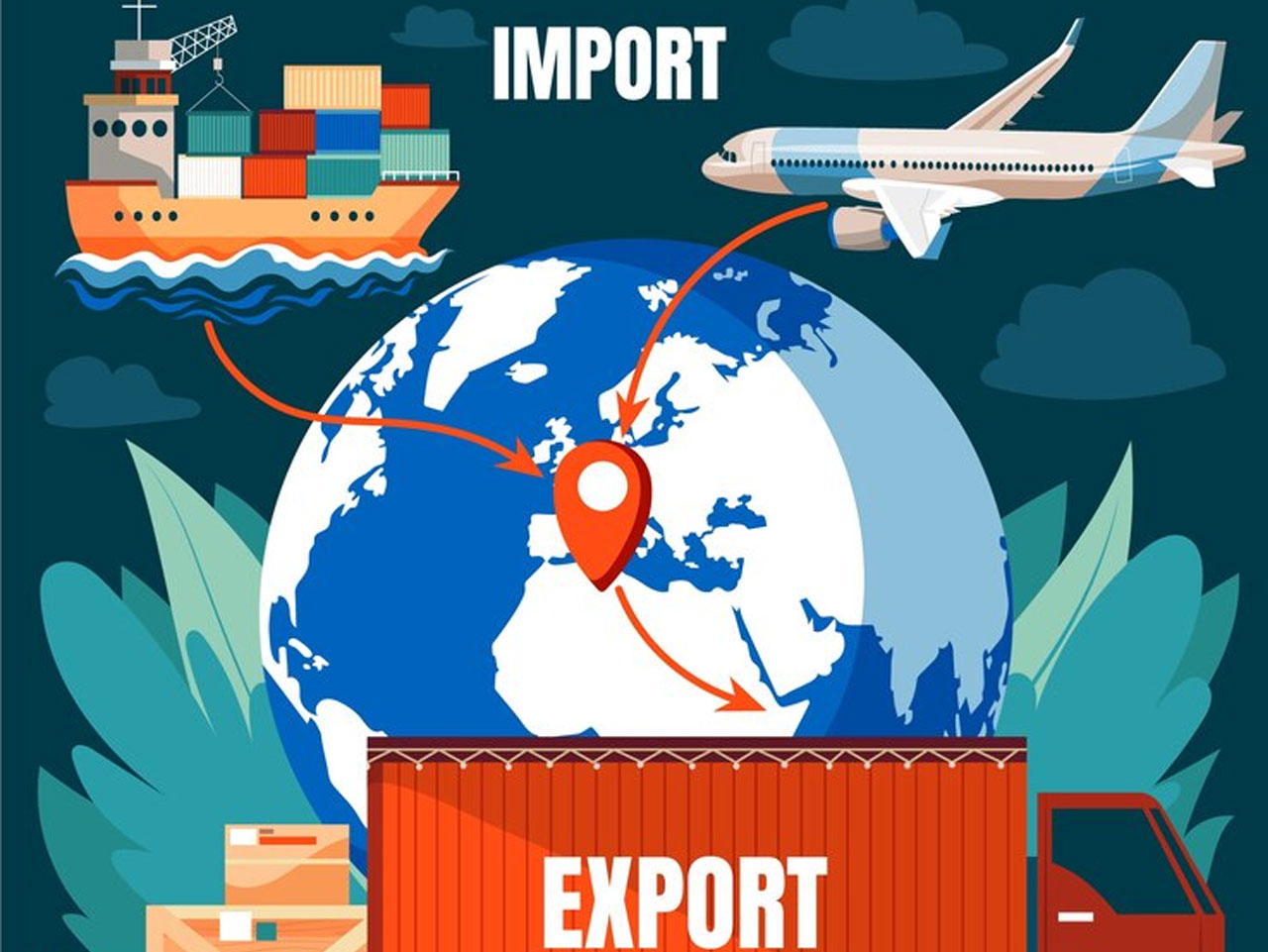
Morocco as a Global Trade Hub: Import and Export Between Africa, Europe, and Asia
In recent years, Morocco has become one of the most strategic trade hubs connecting Africa,
Europe, and Asia. With its unique geographic location, modern infrastructure, and strong
international trade agreements, the country plays a vital role in global import and export operations.
For companies looking to expand into international markets, Morocco offers a powerful gateway
between continents. Businesses involved in wholesale trade, manufacturing, and distribution are i
ncreasingly using Morocco as a bridge for cross-border commerce.
Platforms such as international B2B marketplaces are also helping companies connect suppliers,
buyers, and distributors across multiple regions.
Why Morocco Is a Strategic Location for Global Trade
Morocco’s geographical position makes it one of the most important trade gateways in the world.
Located at the crossroads between Europe and Africa, and with strong connections to Asia, Morocco provides
direct access to several major markets.
The country is only about 14 kilometers away from Spain across the Strait of Gibraltar. This short distance
makes it easy to transport goods between Europe and Africa quickly and efficiently.
Additionally, Morocco has invested heavily in ports, logistics infrastructure, and international trade zones.
One of the most important logistics centers is the port of Tanger-Med, which is one of the largest ports in Africa
and the Mediterranean region.
This infrastructure allows businesses to import goods from Asia and export them to European and African
markets with reduced shipping time and competitive costs.
Import From China to Morocco
One of the fastest-growing trade routes is the import of goods from China to Morocco. Many businesses
in Africa and Europe rely on Chinese manufacturing for products such as electronics, machinery, textiles,
and wholesale consumer goods.
Importing through Morocco offers several advantages:
* Efficient shipping routes between China and North Africa
* Lower logistics costs compared to direct European import routes
* Access to African markets
* Growing industrial and logistics infrastructure
Many companies are now using Morocco as a distribution center for goods imported from China.
After arriving at Moroccan ports, products can be shipped to Europe, West Africa, and other regions.
This strategy allows businesses to optimize supply chains and reduce delivery times.
Export Opportunities From Morocco
Morocco is not only an import hub but also a strong exporter of many products. The country has several
industries that are growing rapidly and exporting goods worldwide.
Key export sectors include:
* Automotive manufacturing
* Agricultural products
* Textile production
* Phosphate and mineral resources
* Renewable energy technology
Moroccan companies are exporting products to Europe, Africa, and increasingly to Asian markets.
This makes Morocco a key player in international B2B trade networks.
Morocco as a Bridge Between Africa and Europe
Africa is one of the fastest-growing economic regions in the world. Many international companies are
looking for ways to enter African markets while maintaining strong trade connections with Europe.
Morocco plays a crucial role in this strategy.
Because of its stable economy and strong trade agreements with both the European Union and African
countries, Morocco is often used as a gateway for companies expanding into Africa.
Businesses can establish logistics centers in Morocco and distribute goods across the continent more efficiently.
This makes Morocco an attractive location for wholesalers, distributors, and international traders.
The Role of Digital B2B Marketplaces
Modern trade is increasingly digital. Businesses are now using online B2B marketplaces to find suppliers,
negotiate deals, and expand internationally.
Digital platforms allow buyers and sellers from different countries to connect instantly. Instead of relying only on
traditional trade networks, companies can now explore global supply chains through digital platforms.
International trade platforms make it easier for companies to:
* Discover new wholesale suppliers
* Connect with international buyers
* Explore import and export opportunities
* Expand into new markets
As global trade becomes more digital, B2B platforms will continue to play a crucial role in connecting
businesses across continents.
Future of Trade in Morocco
The future of Morocco’s international trade sector looks very promising. With continuous investments in
infrastructure, logistics, and digital commerce, the country is positioning itself as one of the most important
trade hubs in the region.
Several factors are expected to drive future growth:
* Expansion of port infrastructure
* Growth of industrial zones
* Increased trade with African markets
* Stronger trade connections with Asia
* Digitalization of global supply chains
Companies that position themselves early in this growing trade ecosystem will benefit from new opportunities
in international commerce.
Conclusion
Morocco is rapidly becoming a global trade bridge connecting Africa, Europe, and Asia. Its strategic location,
strong logistics infrastructure, and expanding international partnerships make it an ideal hub for import and
export operations.
Businesses involved in wholesale trade, international distribution, and global supply chains are increasingly
recognizing the advantages of operating through Morocco.
As international trade continues to evolve, Morocco’s role as a gateway between continents will only grow stronger.
For companies looking to expand into new markets, Morocco offers a powerful opportunity to connect with
global trade networks and build successful international partnerships.
contact us: https://www.lot24.ma/en/contact
subscribe: https://www.lot24.ma/en/for-sellers
blog: https://www.lot24.ma/de/blog/export-nach-afrika-marokko